What home solar costs in Grace City - and the 2026 rules that changed the math
Think of this as the pre-quote homework for Grace City, ND: 2026 prices by system size, the federal credit's expiration and what it means, North Dakota net metering in plain words, and the sales tactics to walk away from.
Installed home solar for Grace City homeowners averages about $2.58 a watt across the U.S. marketplace - roughly $30,960 for a 12 kW system before incentives.
The 30% federal solar tax credit ended for installations finished after December 31, 2025 - Grace City systems completed in 2026 get $0 from it.
Under North Dakota's export rules, compensation for surplus power decides the payback - which typically runs 10-14 years on unsubsidized 2026 math.
Grace City plus 2 surrounding towns within 40 km form one installer market of about 3,407 people - quotes should not vary much by town.
The single biggest change for Grace City homeowners in 2026: the federal 30% tax credit is gone. A $31,000 system that effectively cost $21,700 in 2025 now costs the full $31,000. That does not automatically make solar a bad buy in North Dakota - but it makes the state rules below matter far more.
Door-to-door solar sales in Grace City run on urgency and outdated math. The two facts that defuse most pitches: the U.S. marketplace average is about $2.58 a watt installed, and the federal credit expired for systems finished after December 31, 2025. Any quote built on either being different needs proof.
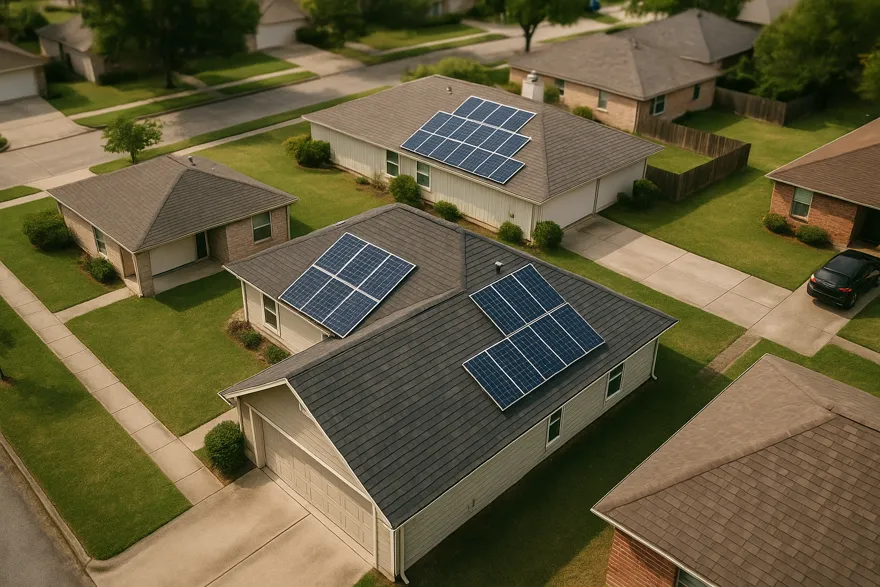
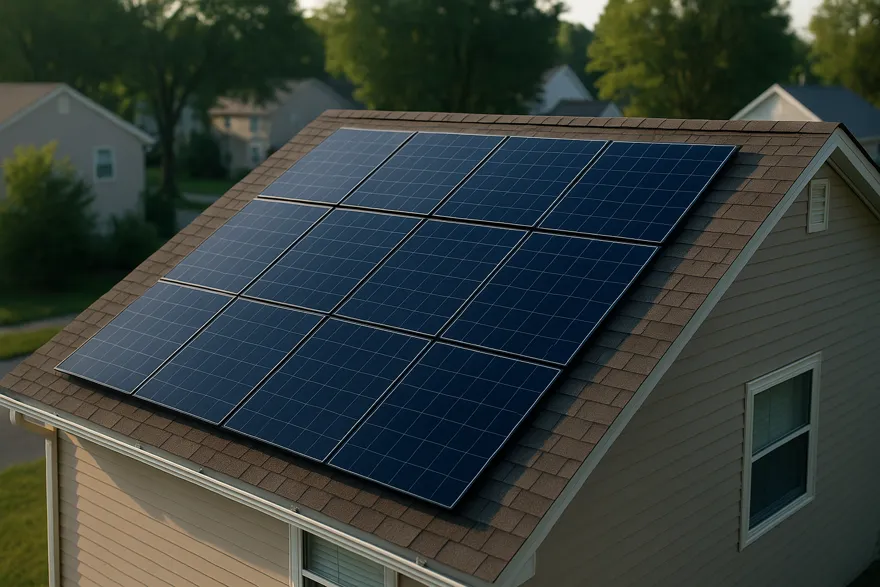
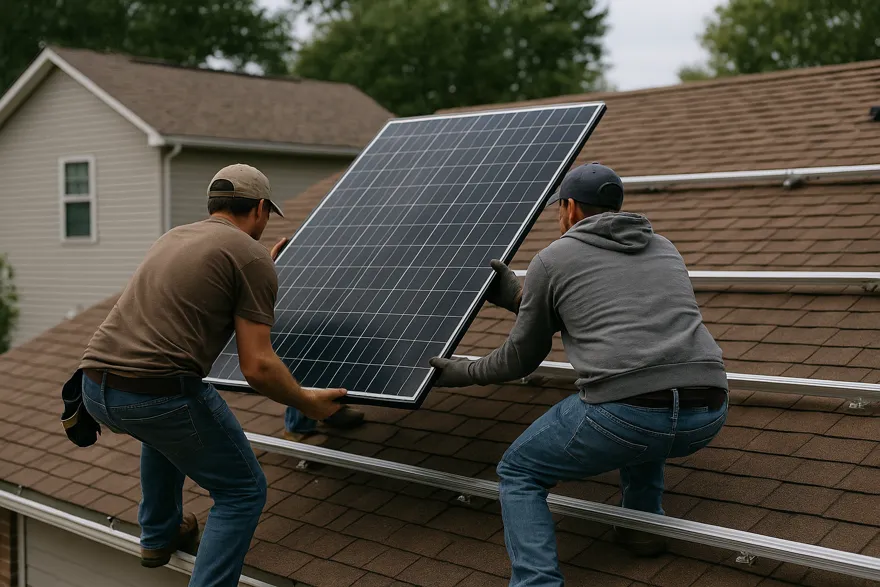
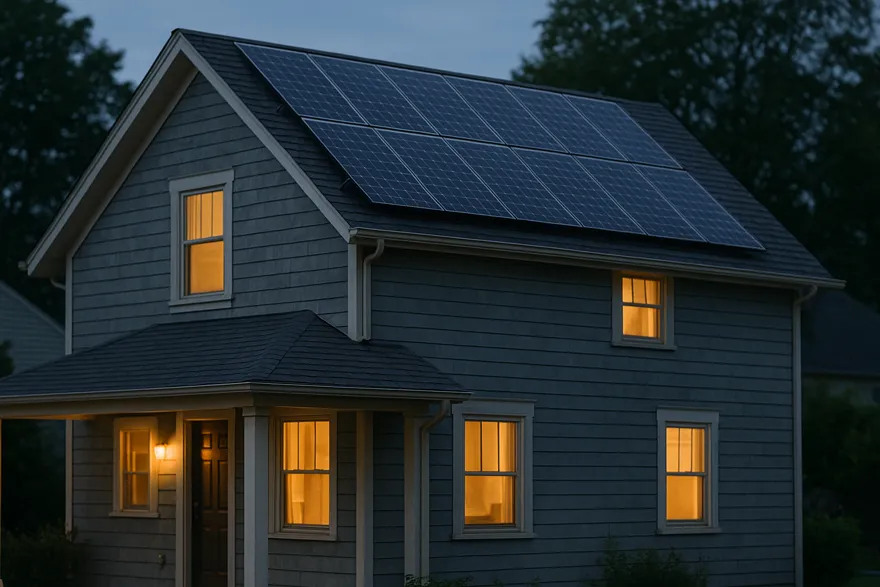
What installed solar costs in 2026
| System size | Installed price (marketplace avg) | Notes |
|---|---|---|
| 6 kW | $15,480 | Small roof / low usage |
| 8 kW | $20,640 | Typical starter system |
| 10 kW | $25,800 | Family home with AC |
| 12 kW | $30,960 | Large home / EV charging |
| Home battery (optional) | $12,000-$16,000 | Backup power + self-consumption |
Compare solar quotes for Grace City
These platforms collect bids from licensed installers so you can compare against the same spec. Prices come from installers, not from this site.
Disclosure: this is an independent guide. If you request quotes through a link here, the platform may pay this site a referral fee. That fee never changes your quotes.
The 30% federal tax credit is gone for 2026 installations
The federal Residential Clean Energy Credit (30%) was repealed by the One Big Beautiful Bill Act signed July 4, 2025. Per the IRS, the credit is not available for any property placed in service after December 31, 2025 - and the IRS counts the installation completion date, not the contract date.
North Dakota rules that decide your payback
| Rule | North Dakota status |
|---|---|
| Export compensation (net metering) | North Dakota rule entitles customer generators with a design capacity of 100 kilowatts or less — which covers every residential rooftop system — to net energy billing in which the system's output reverses the utility's sales meter, while the general standard for a utility's purchases from qualifying facilities is the utility's avoided cost rather than the retail rate. |
| State incentive | No state-level incentive; utility rebates may apply |
| Property tax on added home value | Excluded |
The net energy billing entitlement binds only investor-owned 'electric public utilities' as defined in N.D.C.C. 49-03-01.5 — rural electric cooperatives, which serve much of North Dakota, are not covered, a gap underscored by a 1991 Legislative Council committee objection noting the legislature had defeated a bill that would have extended net energy billing to cooperatives.
This guide is research, not advice: an independent summary of published prices and state rules. It is not an installer, lender or tax advisor - verify incentive eligibility with a licensed tax professional before relying on it.
Why only these platforms
Ask any homeowner whose installer went bankrupt: the money was not lost on the panels, it was lost on the workmanship warranty that evaporated. Before comparing prices, compare survival odds - years in business, local installations you can drive past, and manufacturer-backed workmanship coverage.
Solar lead generation is where most industry abuse lives, so this guide only links platforms that show you multiple named installers and let you walk away - never single-installer funnels or phone-blast forms. If a platform falls below that bar it gets removed from every page on this site.
| Platform | What you get | Background |
|---|---|---|
| EnergySage | Side-by-side bids from multiple installers | The largest U.S. solar marketplace; publishes its pricing data publicly |
| Modernize | Matched with vetted local installers | Established home-services network (QuinStreet); installers are screened |
Getting quotes in Grace City
Before requesting quotes, have your last 12 months of electricity bills handy - system sizing should follow your real usage, not a salesperson's template. A bid sized far above your usage is a margin play, especially now that surplus export pays less in most states.
- Your last 12 months of electricity bills - sizing should follow real usage
- Roof age and type - reroofing after panels go up is expensive
- Your utility's export rate under North Dakota rules - it decides the payback
- Whether you want backup power - that is a battery decision, priced separately
- Written itemization: hardware, labor, permits, and any financing dealer fee
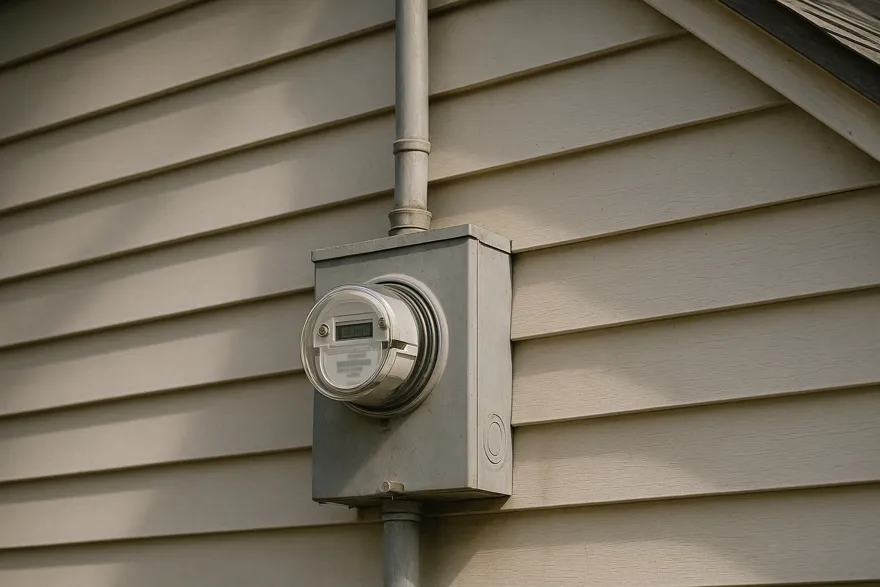
Reading a Grace City roof honestly
The spread between the highest and lowest bid for the same roof routinely hits 30-50%, because solar quotes carry very different sales overheads. Two or three independent bids collected against the same system size is the single highest-value hour in the whole project.
This guide is research, not advice: an independent summary of published prices and state rules. It is not an installer, lender or tax advisor - verify incentive eligibility with a licensed tax professional before relying on it.
Common questions
Do I need a battery with my solar?
Not necessarily. Under full retail net metering, the grid effectively stores your surplus for free. Batteries earn their $12,000-16,000 price where export rates are low, outages are common, or time-of-use rates make evening self-consumption valuable.
Is my roof even suitable for solar?
Three things decide it: orientation (south-facing is best in the U.S., east-west workable), shade (trees or taller buildings across midday hours can sink the math), and roof age (if the shingles have under 10 years left, reroof first - removing and reinstalling panels later costs thousands). Any honest installer assesses all three before quoting a number.
How do I check if a solar quote is fair?
Divide the total price by the system's wattage. The U.S. marketplace average is about $2.58 per watt installed; $2.30-3.00 covers most fair quotes depending on roof complexity. Above that, ask exactly what you are paying extra for - in writing.
Is solar still worth it without the federal credit?
It depends mostly on your state's export rules and your daytime usage. Paybacks lengthened by roughly a third when the credit ended, but rising electricity rates and record-cheap hardware keep the math workable in states with decent export compensation - and marginal where exports pay avoided cost only.
How much does home solar cost in 2026?
The U.S. marketplace average is about $2.58 per watt installed - roughly $15,500 for a 6 kW system and $31,000 for 12 kW, before any state incentives. Quotes meaningfully above that level deserve a written explanation of what justifies the premium.
How long do solar panels actually last?
Panels are typically warrantied for 25 years of production and commonly outlive it, losing about 0.5% output per year. Inverters are the component that usually needs replacement - typically once, around year 12-15, at a few thousand dollars.
Compare solar quotes for Grace City
These platforms collect bids from licensed installers so you can compare against the same spec. Prices come from installers, not from this site.
Disclosure: this is an independent guide. If you request quotes through a link here, the platform may pay this site a referral fee. That fee never changes your quotes.