What Oregon pays for your exported solar power
Export compensation is the single biggest payback lever in 2026. Here is Oregon's current rule in plain words, with the official source.
Under Oregon's export rules, compensation for surplus power decides the payback - which typically runs 10-14 years on unsubsidized 2026 math.
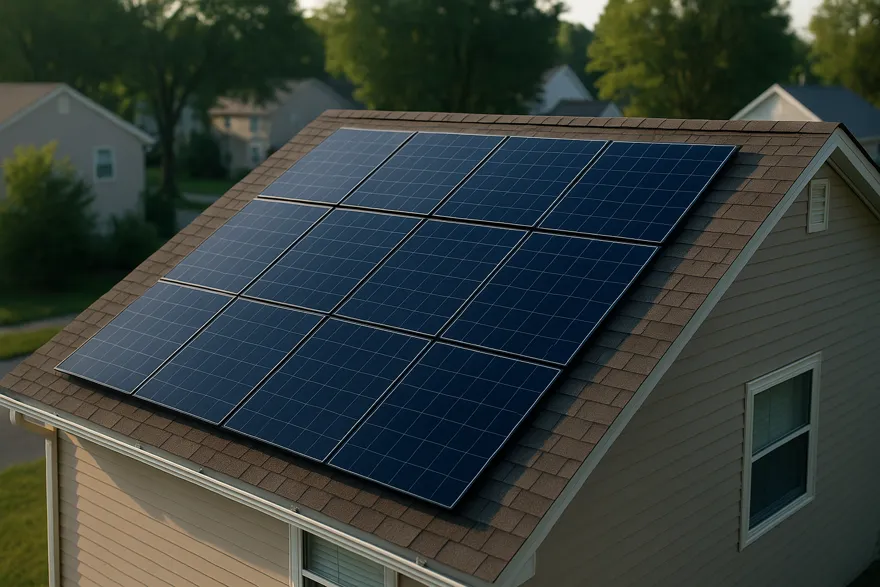
Installed home solar for Molalla homeowners averages about $2.58 a watt across the U.S. marketplace - roughly $30,960 for a 12 kW system before incentives.
Molalla, Oregon has about 10,134 residents, and its solar quotes are built from system size, roof complexity and export rules - not the town name.
The honest 2026 answer for Molalla: solar pays back slower without the 30% credit - paybacks that ran 7-10 years often now run 10-14 - but electricity rates keep rising and hardware is the cheapest it has ever been. The deciding factor is Oregon's export compensation, covered in the net metering section.
Beware of any 2026 payback estimate that looks as good as the 2025 ones: with the federal credit gone, a third of the old subsidy math vanished. If a sales projection has not gotten noticeably worse since 2025, it is hiding something - usually an inflated utility-rate escalation assumption.
The 2026 numbers
| System size | Installed price (marketplace avg) | Notes |
|---|---|---|
| 6 kW | $15,480 | Small roof / low usage |
| 8 kW | $20,640 | Typical starter system |
| 10 kW | $25,800 | Family home with AC |
| 12 kW | $30,960 | Large home / EV charging |
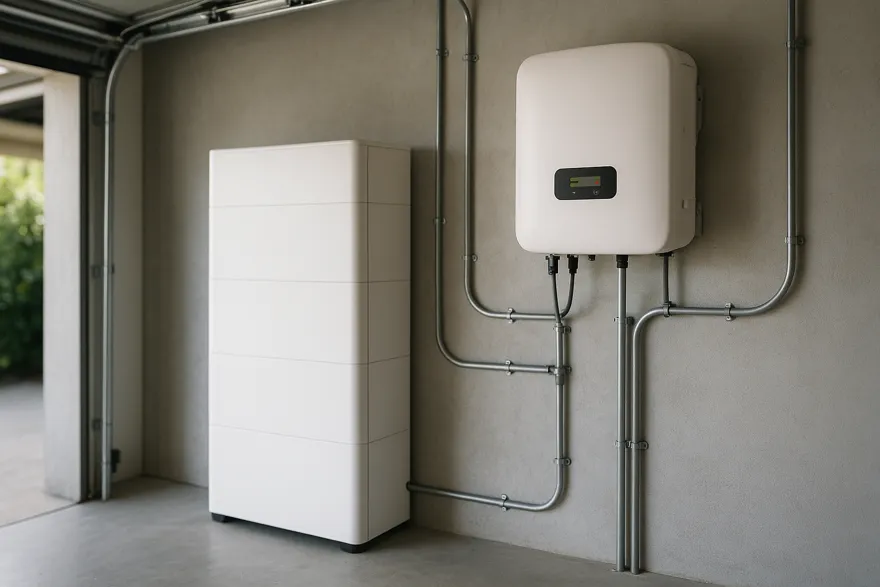
| Home battery (optional) | $12,000-$16,000 | Backup power + self-consumption |
Get solar quotes for Molalla
These platforms collect bids from licensed installers so you can compare against the same spec. Prices come from installers, not from this site.
Disclosure: this is an independent guide. If you request quotes through a link here, the platform may pay this site a referral fee. That fee never changes your quotes.
Oregon rules that decide your payback
| Rule | Oregon status |
|---|---|
| Export compensation (net metering) | Oregon requires all utilities — including PGE and Pacific Power, plus PUDs, municipals and co-ops — to offer net metering for residential systems up to 25 kW, with excess kWh credits carried forward for up to 12 months and any credits still unused after 12 months transferred to the utility's low-income assistance customers rather than paid out. |
| State incentive | Oregon Solar + Storage Rebate Program (Oregon Department of Energy) — up to $5,000 for a solar electric system and up to $2,500 for storage, but it is currently CLOSED: it reopened June 15, 2026 and the $1.1 million made available was fully reserved |
| Sales tax on the system | Exempt |
| Property tax on added home value | Excluded |
Oregon has no general sales or use tax at all, so solar equipment is never sales-taxed — but the state rebate is chronically oversubscribed: it has been out of funding since mid-2024 apart from brief reopenings whose money is fully reserved almost immediately, so do not count on it when budgeting.
This guide is research, not advice: an independent summary of published prices and state rules. It is not an installer, lender or tax advisor - verify incentive eligibility with a licensed tax professional before relying on it.
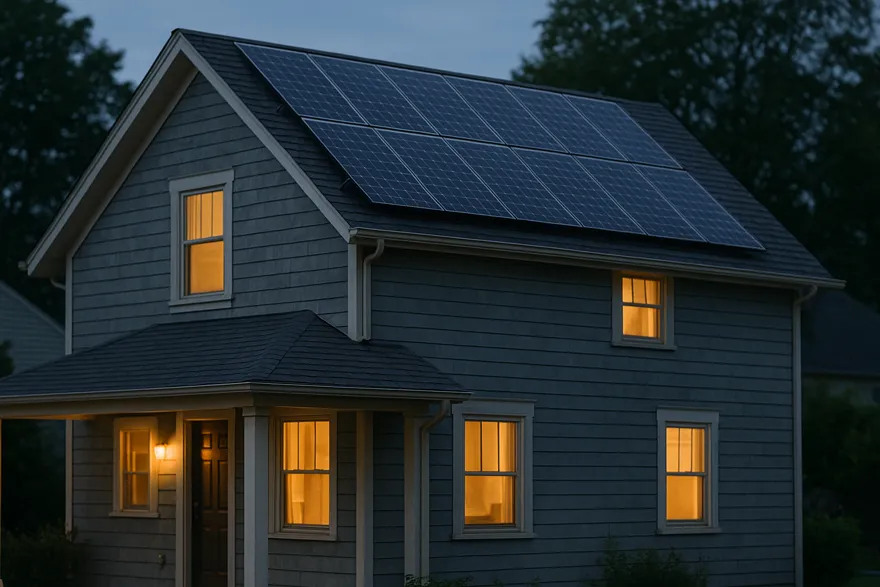
What this means for Molalla roofs
Beware of any 2026 payback estimate that looks as good as the 2025 ones: with the federal credit gone, a third of the old subsidy math vanished. If a sales projection has not gotten noticeably worse since 2025, it is hiding something - usually an inflated utility-rate escalation assumption.
This guide is research, not advice: an independent summary of published prices and state rules. It is not an installer, lender or tax advisor - verify incentive eligibility with a licensed tax professional before relying on it.
Getting Molalla quotes
The spread between the highest and lowest bid for the same roof routinely hits 30-50%, because solar quotes carry very different sales overheads. Two or three independent bids collected against the same system size is the single highest-value hour in the whole project.
This guide is research, not advice: an independent summary of published prices and state rules. It is not an installer, lender or tax advisor - verify incentive eligibility with a licensed tax professional before relying on it.
Common questions
Do I need a battery with my solar?
Not necessarily. Under full retail net metering, the grid effectively stores your surplus for free. Batteries earn their $12,000-16,000 price where export rates are low, outages are common, or time-of-use rates make evening self-consumption valuable.
How do I check if a solar quote is fair?
Divide the total price by the system's wattage. The U.S. marketplace average is about $2.58 per watt installed; $2.30-3.00 covers most fair quotes depending on roof complexity. Above that, ask exactly what you are paying extra for - in writing.
How long do solar panels actually last?
Panels are typically warrantied for 25 years of production and commonly outlive it, losing about 0.5% output per year. Inverters are the component that usually needs replacement - typically once, around year 12-15, at a few thousand dollars.
Should I lease, get a PPA, or buy?
Buying keeps all savings and any incentives with you. Leases and PPAs put a company's equipment on your roof for 20-25 years, complicate a home sale, and in 2026 any tax benefits they advertise belong to the company under commercial rules - not to you. Read escalator clauses carefully.
Does solar raise my property taxes?
It depends on the state - many exempt solar's added home value from property tax, others do not, and some exemptions have expiration dates. This guide's state page lists the verified rule and source for your state.
Get solar quotes for Molalla
These platforms collect bids from licensed installers so you can compare against the same spec. Prices come from installers, not from this site.
Disclosure: this is an independent guide. If you request quotes through a link here, the platform may pay this site a referral fee. That fee never changes your quotes.
Prices in nearby cities
Monmouth · Monroe · Monument · Moro · Mosier · Mount Angel · Mount Vernon · Myrtle Creek · Myrtle Point · Nehalem · Newberg · Newport