How to collect and compare solar quotes in Paradise
Two or three bids against the same spec is the highest-value hour of the whole project - spreads of 30-50% for the same Paradise roof are routine.
Installed home solar for Paradise homeowners averages about $2.58 a watt across the U.S. marketplace - roughly $30,960 for a 12 kW system before incentives.
Paradise plus 3 surrounding towns within 40 km form one installer market of about 133,678 people - quotes should not vary much by town.
Under California's export rules, compensation for surplus power decides the payback - which typically runs 10-14 years on unsubsidized 2026 math.
Before requesting quotes, have your last 12 months of electricity bills handy - system sizing should follow your real usage, not a salesperson's template. A bid sized far above your usage is a margin play, especially now that surplus export pays less in most states.
Same-day contracts are a red flag in this industry. Legitimate CA installers expect you to compare bids, check licenses, and read the interconnection terms. Anyone pressuring you to sign at the kitchen table is pricing in your haste.
The 2026 numbers
| System size | Installed price (marketplace avg) | Notes |
|---|---|---|
| 6 kW | $15,480 | Small roof / low usage |
| 8 kW | $20,640 | Typical starter system |
| 10 kW | $25,800 | Family home with AC |
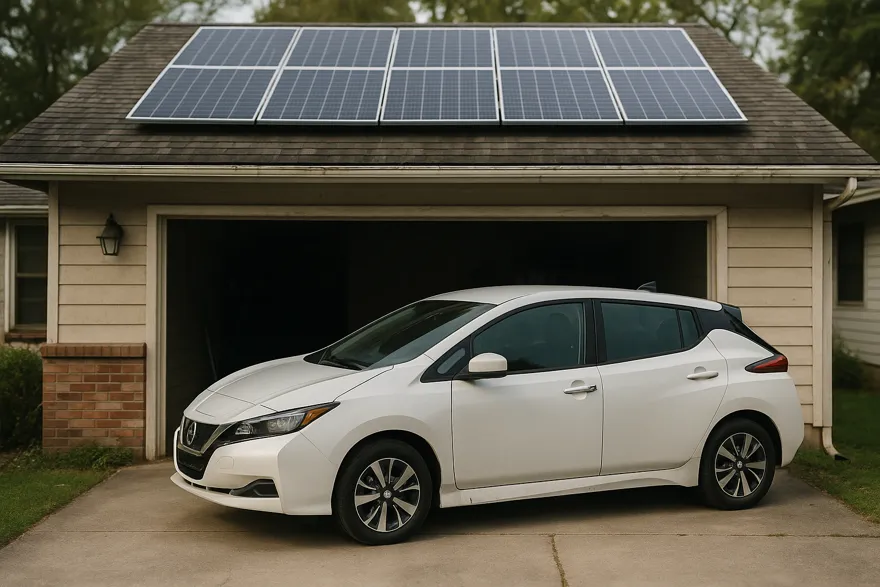
| 12 kW | $30,960 | Large home / EV charging |
| Home battery (optional) | $12,000-$16,000 | Backup power + self-consumption |
Get solar quotes for Paradise
These platforms collect bids from licensed installers so you can compare against the same spec. Prices come from installers, not from this site.
Disclosure: this is an independent guide. If you request quotes through a link here, the platform may pay this site a referral fee. That fee never changes your quotes.
Red flags in any quote
- Claims a 30% federal tax credit for a 2026 installation - that credit expired Dec 31, 2025
- Same-day-only discount pressure at the kitchen table
- Payback chart with no utility export rate shown for California
- Financing quoted as a monthly payment with the dealer fee never itemized
- 'Free solar' or 'the utility pays for it' framing - nothing about a $25,000+ system is free
- Won't give the exact license number to verify with the state board
What this means for Paradise roofs
Whether solar still pays in California after the federal credit's end comes down to arithmetic, not ideology: installed cost (about $2.58 a watt at the marketplace average), what your utility pays for exports, and how much of your generation you use yourself. High self-consumption - daytime usage, EV charging, batteries - is now the biggest lever.
This guide is research, not advice: an independent summary of published prices and state rules. It is not an installer, lender or tax advisor - verify incentive eligibility with a licensed tax professional before relying on it.
Getting Paradise quotes
Before requesting quotes, have your last 12 months of electricity bills handy - system sizing should follow your real usage, not a salesperson's template. A bid sized far above your usage is a margin play, especially now that surplus export pays less in most states.
This guide is research, not advice: an independent summary of published prices and state rules. It is not an installer, lender or tax advisor - verify incentive eligibility with a licensed tax professional before relying on it.
Common questions
How much does home solar cost in 2026?
The U.S. marketplace average is about $2.58 per watt installed - roughly $15,500 for a 6 kW system and $31,000 for 12 kW, before any state incentives. Quotes meaningfully above that level deserve a written explanation of what justifies the premium.
Is solar still worth it without the federal credit?
It depends mostly on your state's export rules and your daytime usage. Paybacks lengthened by roughly a third when the credit ended, but rising electricity rates and record-cheap hardware keep the math workable in states with decent export compensation - and marginal where exports pay avoided cost only.
Do I need a battery with my solar?
Not necessarily. Under full retail net metering, the grid effectively stores your surplus for free. Batteries earn their $12,000-16,000 price where export rates are low, outages are common, or time-of-use rates make evening self-consumption valuable.
Is my roof even suitable for solar?
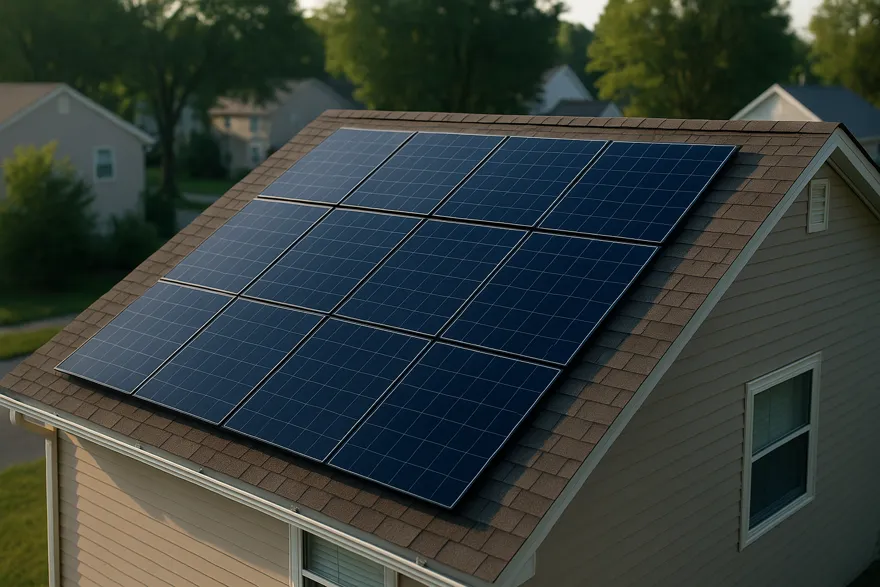
Three things decide it: orientation (south-facing is best in the U.S., east-west workable), shade (trees or taller buildings across midday hours can sink the math), and roof age (if the shingles have under 10 years left, reroof first - removing and reinstalling panels later costs thousands). Any honest installer assesses all three before quoting a number.
What is net metering and why does it decide everything?
It is the rule for how your utility credits electricity you export. Full retail net metering credits exports at the same rate you pay - the grid works like a free battery. Net billing or avoided-cost rules pay far less per exported kWh, which lengthens payback and strengthens the case for a home battery.
Get solar quotes for Paradise
These platforms collect bids from licensed installers so you can compare against the same spec. Prices come from installers, not from this site.
Disclosure: this is an independent guide. If you request quotes through a link here, the platform may pay this site a referral fee. That fee never changes your quotes.